

Raising Kids Is Hard. Doing It Alone Is Harder
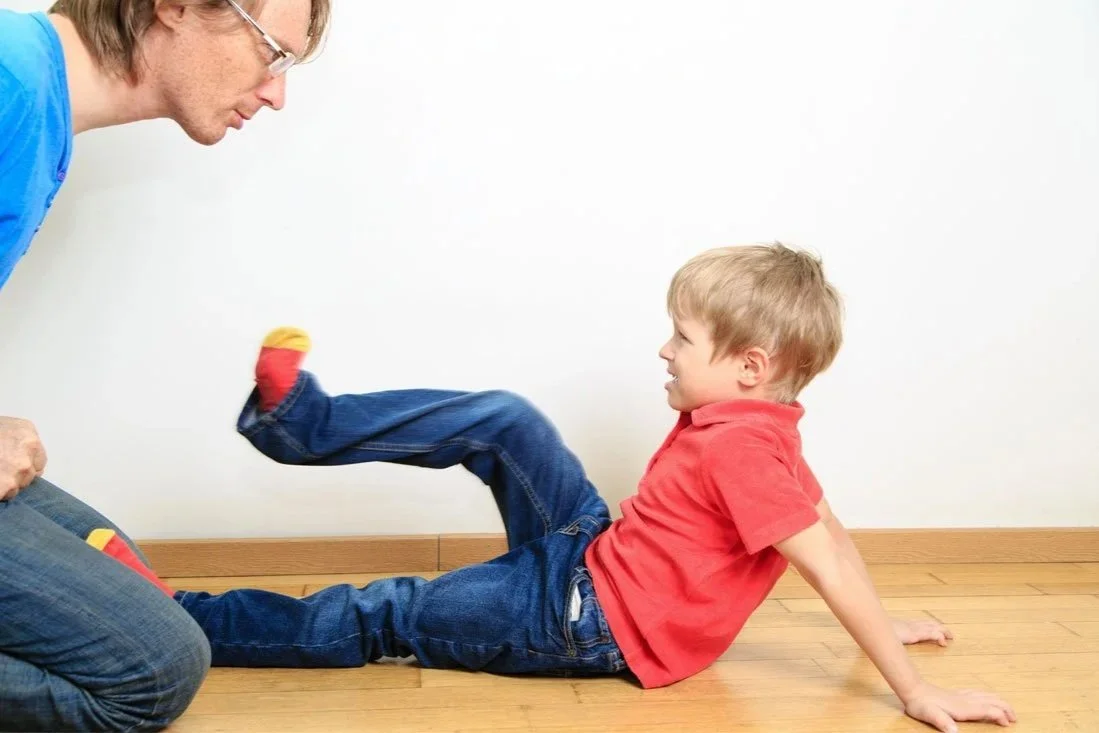
Raising kids is hard. It is physically exhausting, emotionally demanding, financially stressful, and psychologically complex. It reshapes identity, relationships, priorities, and daily life in ways few experiences can. Yet for many parents, especially fathers, the difficulty is not just the work of parenting itself. It is the isolation that often comes with it.
Modern parenting happens in a very different social context than it did for previous generations. Extended families are more geographically dispersed, community ties are weaker, and work demands are higher and more persistent. Many parents no longer live near grandparents, siblings, or lifelong friends. Support that was once built into daily life now has to be actively sought, scheduled, and maintained. For many people, it never fully materializes.
Research consistently shows that social support is one of the strongest protective factors for parental mental health. Parents with strong emotional and practical support report lower stress, lower rates of depression and anxiety, and higher life satisfaction. Those without it are significantly more vulnerable to burnout, emotional withdrawal, and chronic stress. Parenting alone, even within a two-parent household, can feel like carrying a permanent cognitive and emotional load with no place to set it down.
The transition into parenthood is one of the most psychologically vulnerable periods of adult life. Studies show that both mothers and fathers experience elevated rates of anxiety and depression during pregnancy and the first year after birth. Fathers in particular are often overlooked in screening and support systems, despite research finding that roughly one in ten fathers experience clinical levels of depression in the perinatal period, with higher rates in some populations. When fathers struggle, they are less likely to seek help, less likely to talk openly about their distress, and more likely to internalize it.
Isolation amplifies every challenge of parenting. Sleep deprivation feels heavier when there is no one to rotate shifts with. Financial stress feels sharper when there is no one to reality-check fears or offer perspective. Relationship strain feels more dangerous when there is no trusted third space to process conflict. Even ordinary daily decisions become more exhausting when there is no social buffer, no external validation, and no shared narrative of what “normal” looks like.
Doing it alone also affects children. Parental mental health is one of the strongest predictors of child well-being. When parents are chronically stressed, emotionally withdrawn, or overwhelmed, children are more likely to experience behavioral problems, emotional insecurity, and long-term mental health risks. Support for parents is not only self-care, it is early intervention for the entire family system.
The idea that parents, especially fathers, should be self-sufficient is culturally ingrained but psychologically unrealistic. Human beings evolved to raise children in groups, not in isolation. Parenting was historically distributed across kin, neighbors, elders, and peers. The modern nuclear family model, often combined with long work hours and limited community infrastructure, places a level of pressure on individuals that no nervous system was designed to carry alone.
Support does not mean weakness. It means having spaces to think out loud, to admit fear, to ask practical questions, to receive emotional regulation from others when your own capacity is depleted. It means having models for what healthy parenting looks like across different stages, not just curated images or silent comparison. It means knowing that confusion, frustration, and self-doubt are not personal failures but normal features of the role.
Raising kids is hard because it requires constant adaptation to uncertainty, responsibility, and emotional labor. Doing it alone is harder because it removes the very conditions that make humans resilient in the first place: connection, shared meaning, and mutual support. Parenting does not need fewer responsibilities. It needs more relational infrastructure.
The real risk is not that parents will struggle. The real risk is that they will struggle silently, believing they are the only ones who feel lost, tired, or overwhelmed. Support does not eliminate the difficulty of parenting, but it transforms it from a private burden into a shared human experience. That shift alone can change everything.
