

Why Modern Fathers Need Support Too
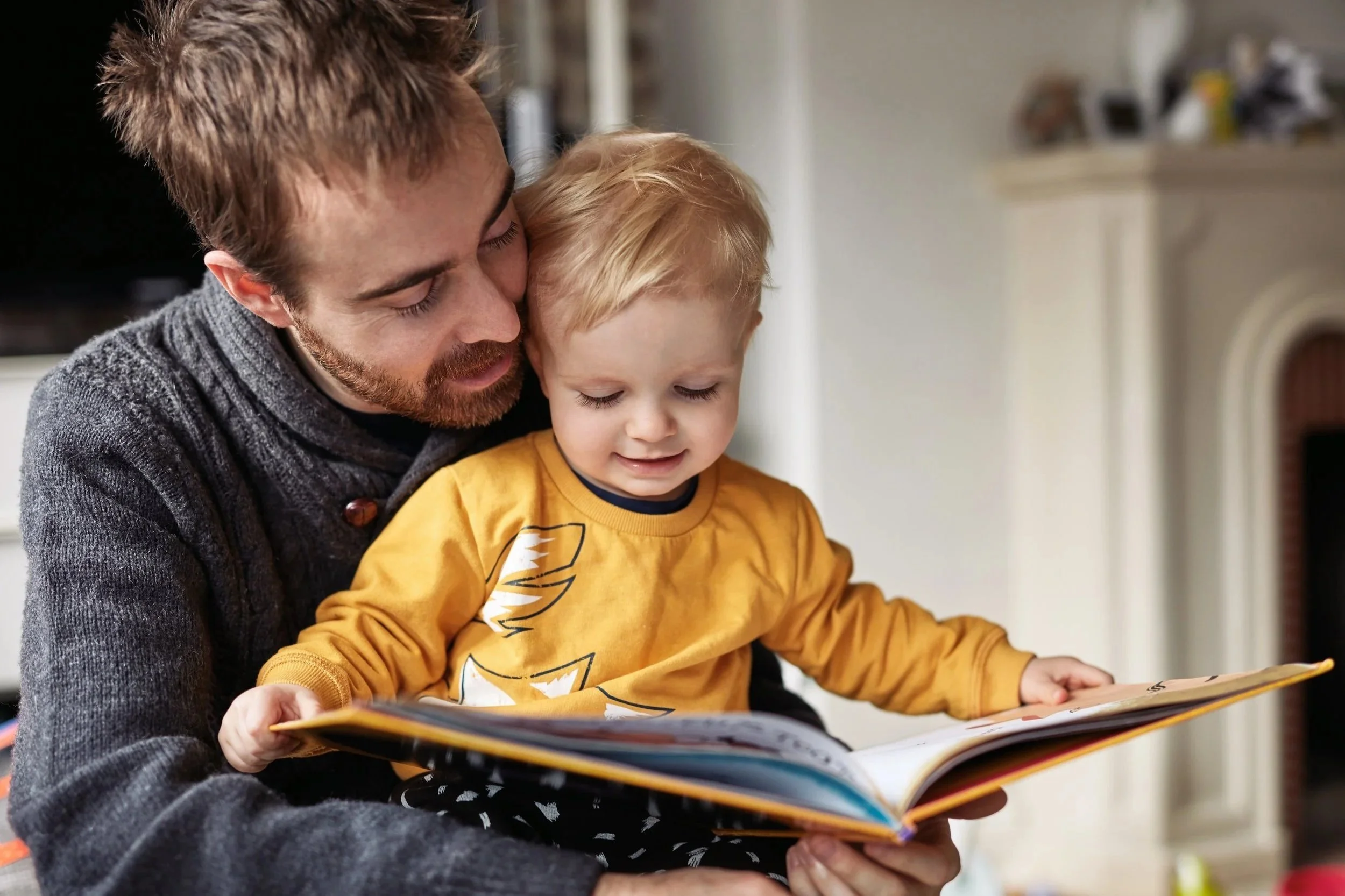
Fatherhood today looks nothing like it did a generation ago. The expectations, the pressures, and the emotional landscape of being a dad have shifted dramatically. Yet our cultural, clinical, and social support systems haven’t kept up. Dads are expected to be emotionally present, financially capable, equitable coparents, and stable figures in a world that is increasingly uncertain. And all of this comes with real psychological cost if they’re left to navigate it alone.
It’s a myth that fathers are naturally “resilient” to stress and emotional upheaval simply because they’re men. Research clearly shows that fathers experience significant mental health challenges.
A systematic review of 43 studies found prenatal and postnatal anxiety and depression among fathers to be common, with rates of depression affecting approximately 10% of men during pregnancy and the first year after birth; levels not far off from rates observed in mothers. Anxiety symptoms and stress were also frequently reported during this period. This underscores that the transition to fatherhood is a vulnerable psychological time for many men.
Additional research confirms that paternal depression is not rare: prevalence rates up to 25% have been documented in first-time fathers in some studies, yet awareness and diagnosis remain limited.
Fathers can also experience mental health challenges linked to unintended fatherhood, with studies reporting that unplanned parenthood is associated with roughly double the odds of depressive symptoms.
Challenges in fatherhood aren’t only biological or situational; they are social. Men generally maintain smaller support networks than women and are less likely to seek help for emotional struggles, leading to higher risks of isolation and depressive symptoms.
Research on social connectedness among men shows that life transitions; including becoming a parent; can strain mental well-being, especially when emotional expression is discouraged.
The absence of supportive networks is not just bad for dads, it has ripple effects throughout families. For example, paternal depression has been linked to behavioral issues in children during early school years; suggesting that fathers’ mental health matters far beyond the individual.
Modern fatherhood involves roles that blur traditional boundaries: caregiving, emotional labor, and active involvement in child development are increasingly expected components of fatherhood. Children with involved, nurturing fathers tend to show stronger emotional, cognitive, and social outcomes.
However, studies also highlight that many expectant and new fathers feel insecure about their new roles and report a lack of father-focused support during critical transition periods.
Why Support Matters
Support for fathers isn’t just a nice add-on; it’s a public health issue with broad implications:
1. Improved Mental Health Outcomes:
Support: whether through counseling, peer groups, or family health benefits; can reduce symptoms of anxiety and depression and promote healthier adjustment to fatherhood.
2. Stronger Family Dynamics:
Fathers who have support are better equipped to engage with their partners and children, which can strengthen family cohesion and reduce stress for all caregivers.
3. Long-Term Child Well-Being:
Children benefit when their fathers are emotionally present and supported, including better behavior, social skills, and academic engagement.
4. Cultural Shift in Masculinity:
Encouraging fathers to seek help challenges harmful norms around stoicism and self-sufficiency and models emotional health for future generations.
Supporting fathers means creating resources that meet men where they are:
Expanded mental health screening for fathers during prenatal and postnatal care.
Workplace policies like paid paternity leave that allow dads meaningful time with their families without economic penalty.
Community networks and peer groups where fathers can share experiences and reduce isolation.
Educational programs aimed at teaching emotional awareness, coping skills, and parenting strategies.
In conclusion, Fatherhood is rewarding, but it’s also demanding, emotional, and complex. Modern dads are stepping into roles that require support just as much; if not more, than ever before. To truly support families, we must support the mental health and well-being of fathers. Every dad deserves to know that he doesn’t have to go it alone.
